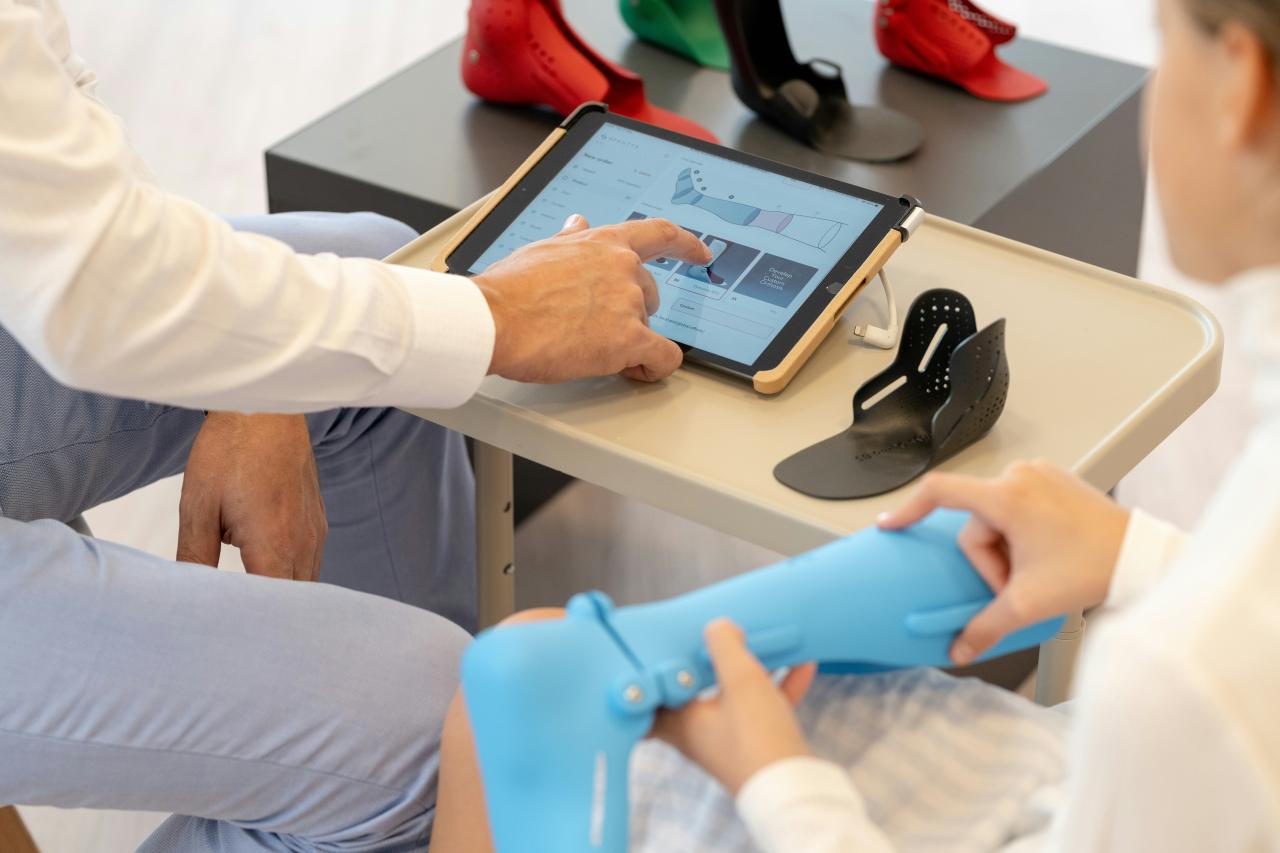
The global healthcare industry is currently facing mounting operational pressures like rising costs and aging populations. Simultaneously, it is embracing a revolution fueled by digital technology and biological breakthroughs. For decades, medicine relied on established protocols and reactive treatments.
The next decade promises a profound shift toward proactive, personalized, and preventative care. This fundamentally changes the relationship between patients, providers, and data. This transformation is accelerated by the convergence of Artificial Intelligence (AI), the explosion of genomic data, and ubiquitous sensing technology.
We are moving beyond treating illness to predicting and preventing it. This makes healthcare not just a service, but a continuous, personalized wellness journey. Understanding the key innovations driving this shift is vital for everyone involved in the health ecosystem.
This comprehensive article delves into the most impactful technological and methodological trends. We will explore how AI is being leveraged to accelerate drug discovery and optimize clinical operations. We will also detail the dramatic potential of precision medicine, driven by genetic sequencing and advanced diagnostics.
Furthermore, we will examine the crucial role of decentralized care models and digital therapeutics in improving access and reducing the burden on traditional hospital systems. By analyzing these interlocking trends, we aim to provide a clear picture of the future of medicine. This future is a system that is smarter, more accessible, and profoundly centered on the individual patient.
The AI Revolution in Clinical and Research Settings
Artificial Intelligence is arguably the single most transformative force in contemporary healthcare. Its utility spans the entire spectrum, from optimizing hospital logistics to revolutionizing basic scientific research. AI models excel at processing vast, complex datasets to extract meaningful, life-saving insights far beyond human capacity.
A. Accelerated Drug Discovery and Development
AI is dramatically reducing the time and cost associated with identifying new drug candidates and bringing them to market. Traditional methods rely on lengthy, iterative laboratory testing. AI offers rapid computational shortcuts.
A. Target Identification: AI algorithms analyze genomic, proteomic, and disease-specific data to pinpoint biological targets most likely to respond to intervention. This accelerates the initial research phase.
B. Compound Synthesis and Design: Generative AI models can propose novel chemical structures. They also predict their efficacy, toxicity, and synthesis pathways, which drastically narrows the field of experimental compounds.
C. Optimizing Clinical Trials: AI helps identify the most suitable patient populations for clinical trials, predict patient adherence, and analyze complex trial data faster and more accurately. This speeds up the overall approval process.
B. Enhancing Diagnostic Accuracy and Efficiency
In clinical practice, AI tools are acting as powerful assistants. They enhance the capabilities of medical professionals and reduce the chance of human error, especially in image-heavy specialties.
A. Medical Imaging Analysis: AI-powered tools can analyze X-rays, MRIs, and CT scans to detect subtle patterns indicative of disease (like early-stage tumors or neurological issues) often before the human eye can register them. This improves early detection rates.
B. Personalized Treatment Pathways: By integrating patient-specific data—genomics, medical history, and real-time wearables data—AI recommends highly individualized treatment protocols. This moves care away from one-size-fits-all guidelines.
C. Administrative Automation: AI handles back-office tasks like coding, billing, scheduling, and documentation. This frees up clinicians to spend more time on direct patient care, improving job satisfaction and efficiency.
The Era of Precision and Genomic Medicine
Precision medicine represents the shift from standardized medical approaches. It moves toward treatments tailored to the unique biological and genetic makeup of each individual. This field is rapidly expanding due to the falling costs of genomic sequencing.
A. Genomic Sequencing as Standard Practice
The cost of whole-genome sequencing has plummeted. This makes it increasingly viable for routine clinical use, not just specialized research. Genomic data is becoming a cornerstone of personalized healthcare.
A. Risk Assessment: Genetic profiles help predict an individual’s lifetime risk for common diseases like heart disease, diabetes, and certain cancers. This enables ultra-early preventative strategies.
B. Pharmacogenomics: Analyzing a patient’s DNA determines how their body will metabolize specific drugs. This allows physicians to prescribe the most effective medication and dosage from the outset, minimizing adverse effects.
C. Personalized Cancer Therapy: Tumor sequencing identifies specific genetic mutations driving cancer growth. This guides the selection of targeted therapies, which are often much more effective than traditional chemotherapy.
B. Advanced Diagnostics and Liquid Biopsies
Innovation in diagnostics is moving toward less invasive, more informative testing methods. This allows for earlier intervention and continuous disease monitoring.
A. Liquid Biopsies: Simple blood tests can detect trace amounts of DNA shed by tumors or diseased organs. This revolutionizes cancer screening and monitoring without the need for invasive tissue removal.
B. Microbiome Analysis: Research into the trillions of microbes living in the human gut is revealing profound links to immune function, mental health, and disease susceptibility. Personalized dietary and therapeutic interventions are emerging from this data.
C. Point-of-Care Testing (POCT): Miniaturized, rapid diagnostic devices allow for complex testing to be performed immediately in clinics or even at home. This dramatically speeds up diagnosis, particularly in rural or low-resource settings.
Decentralization of Care: The Digital Health Ecosystem
Healthcare is moving outside the confines of the clinic and hospital. It is transitioning toward continuous, proactive monitoring enabled by digital health technologies. This shift improves access and empowers patients.
A. Remote Patient Monitoring (RPM) and Wearables
Consumer and medical-grade wearables are capturing continuous streams of physiological data. This allows providers to monitor chronic conditions and spot potential crises before they escalate.
A. Continuous Data Collection: Devices monitor vital signs, glucose levels, heart rhythms, sleep patterns, and physical activity in real time. This provides a much richer picture of patient health than periodic clinic visits.
B. Proactive Intervention: AI algorithms analyze RPM data for deviations from the norm. This triggers alerts to clinicians, enabling timely adjustments to medication or lifestyle advice.
C. Chronic Disease Management: RPM is proving particularly effective for managing conditions like heart failure and diabetes. It reduces hospital readmissions and improves quality of life.
B. Telehealth and Virtual Care Models
Telehealth has evolved beyond simple video calls. It now encompasses a sophisticated suite of virtual tools for diagnosis, treatment, and long-term management.
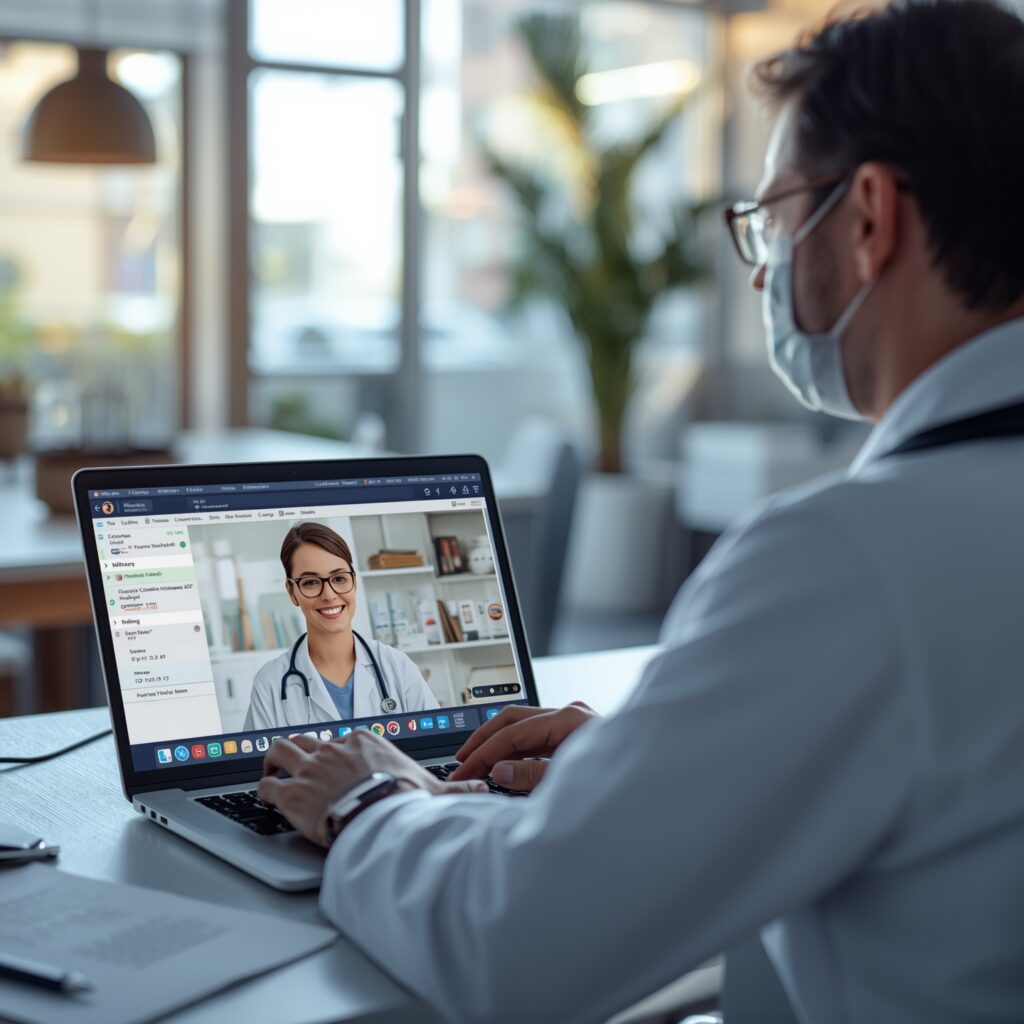
A. Virtual Consultations: High-definition video and secure platforms enable routine follow-ups, specialist consultations, and mental health therapy to be conducted remotely. This significantly increases convenience and access.
B. Digital Therapeutics (DTx): Software programs deliver evidence-based therapeutic interventions directly to patients. DTx can treat conditions like substance abuse, ADHD, and chronic insomnia.
C. Virtual Hospitals (Hospital-at-Home): Advanced RPM and coordinated in-home services allow select patients to receive acute care typically delivered in a hospital setting. This offers better patient comfort and often lower cost.
Advanced Interventions: Robotics and Bioengineering
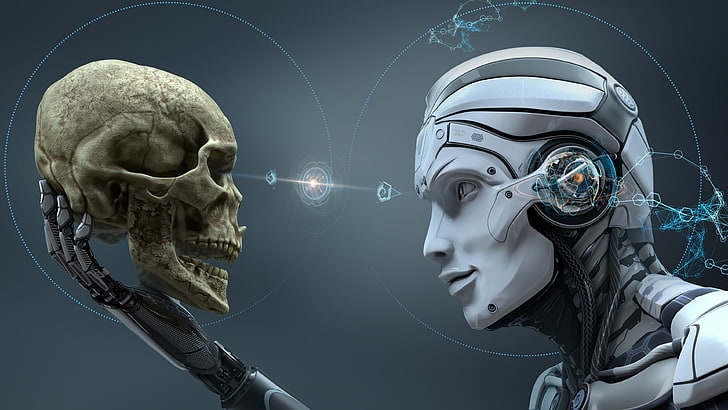
Innovation is not limited to data and diagnostics. Advanced physical and biological interventions are pushing the boundaries of what is surgically possible and how the human body can be repaired or augmented.
A. Robotics and Minimally Invasive Surgery
Surgical robotics have become more precise, smaller, and increasingly autonomous. This dramatically improves outcomes for complex procedures.
A. Enhanced Precision and Dexterity: Robotic systems filter out human tremor and allow surgeons to operate through smaller incisions. This leads to reduced pain, less scarring, and faster recovery times.
B. Remote Surgery: High-speed, low-latency networks enable surgeons to perform procedures on patients in geographically distant locations. This expands access to specialist care globally.
C. Miniaturization and Swarm Robotics: Future innovations include micro-robots that can be injected into the bloodstream to deliver drugs precisely to disease sites or perform tiny internal repairs.
B. Regenerative Medicine and Cell Therapies
The ability to engineer tissues and modify cells is opening entirely new avenues for treating chronic diseases and injury. This field focuses on repairing or replacing damaged body parts.
A. CAR T-Cell Therapy: This innovative technique involves genetically modifying a patient’s own immune cells to recognize and attack cancer. It offers curative potential for certain blood cancers.
B. 3D Bioprinting: Scientists are using 3D printing techniques with biological materials (bio-inks) to create functional tissues and organs. This holds the long-term promise of eliminating organ transplant waiting lists.
C. Gene Editing (CRISPR): Technologies like CRISPR allow scientists to precisely modify DNA within living cells. This is paving the way for one-time cures for genetic diseases like sickle cell anemia.
The Cybersecurity and Data Integrity Challenge
As healthcare becomes more digitized and decentralized, the amount of sensitive personal health information (PHI) being transmitted and stored skyrockets. Protecting this data is the single greatest infrastructural challenge.
A. The Rising Threat Landscape
Healthcare organizations are prime targets for cyberattacks due to the high value and sensitive nature of medical records. Ransomware and data breaches pose serious threats to patient safety and privacy.
A. Protecting Interconnected Devices: The massive deployment of IoT devices, from connected insulin pumps to hospital equipment, creates numerous security vulnerabilities. These endpoints must be secured rigorously.
B. Zero Trust Implementation: Healthcare systems are rapidly adopting Zero Trust Architecture. This security model mandates verification for every user and device attempting to access network resources, regardless of their location.
C. Secure Data Interoperability: New standards are required to ensure that patient data can be securely and seamlessly exchanged between different healthcare providers and platforms (interoperability).
B. Leveraging Blockchain for Data Trust
Distributed Ledger Technology (DLT), or blockchain, is being explored as a method to enhance the security and integrity of health records. It offers a transparent, tamper-proof record system.
A. Patient-Controlled Records: Blockchain technology could allow patients to own and control access to their own health records. This enhances privacy and consent management.
B. Supply Chain Verification: Tracking pharmaceuticals and medical devices using blockchain ensures authenticity. This prevents the circulation of counterfeit drugs and protects patient safety.
Conclusion

Healthcare innovation is rapidly moving towards a system defined by personalization, prediction, and seamless accessibility. The integration of Artificial Intelligence is revolutionizing clinical practice and accelerating the discovery of new drugs. Precision medicine, fueled by the falling cost of genomic sequencing, ensures that treatments are tailored to individual genetic profiles.
Furthermore, the strategic use of remote patient monitoring and sophisticated telehealth platforms is decentralizing care. This shifts treatment from the hospital to the home, drastically improving patient convenience and access.
Advanced interventions, including robotic surgery and regenerative medicine, are pushing the boundaries of human repair and augmentation. While these changes promise profound benefits, the immense volume of sensitive patient data necessitates a rigorous focus on cybersecurity. This makes Zero Trust Architecture a mandatory defense. This technological convergence promises not just incremental improvements, but a fundamental redesign of the health ecosystem.