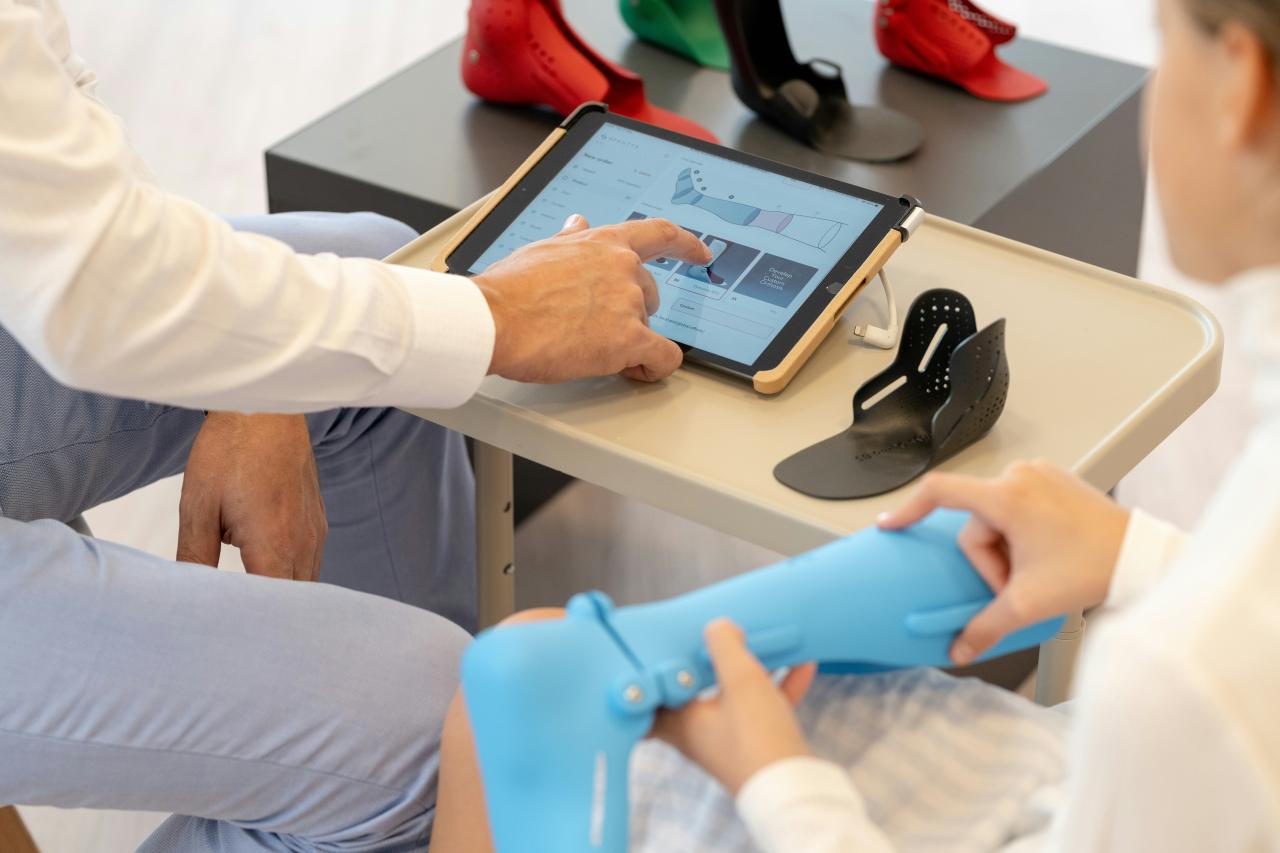
The global healthcare landscape is undergoing its most profound transformation in decades, driven by the rapid, widespread adoption of Telehealth. Once considered a niche solution for rural areas, Telehealth—the use of digital information and communication technologies to access health care services remotely and manage health care—has become a foundational pillar of modern medical practice. This shift is not merely about replacing in-person visits with video calls; it represents a fundamental re-engineering of the patient-physician relationship, optimizing clinical workflows, improving access to care, and driving down operational costs. For providers, patients, and healthcare investors, understanding the comprehensive impact of Telehealth on medical consultations is critical to navigating the future of medicine. This exhaustive analysis will detail the specific technologies, operational benefits, clinical applications, and strategic challenges associated with embedding Telehealth services into mainstream healthcare delivery, ensuring maximal SEO visibility and informative value.
I. Defining the Telehealth Revolution
Telehealth encompasses a broad range of technologies and services. Its core purpose is to remove geographical and temporal barriers to healthcare access, enhancing convenience and efficiency without compromising clinical quality. The transition has accelerated due to advancements in mobile technology, high-speed internet infrastructure, and, significantly, regulatory changes spurred by global health events.
A. Core Components of Modern Telehealth
Telehealth delivery relies on several distinct but often interconnected technological modalities:
-
A. Synchronous Telehealth (Real-Time): This involves live, two-way interaction between a patient and a provider. The most common form is video conferencing (tele-video), where high-definition streaming facilitates visual consultation. It also includes live audio (phone calls) when video is not feasible or necessary.
-
B. Asynchronous Telehealth (Store-and-Forward): This involves the transmission of recorded health information (e.g., medical images, pathology results, clinical data) from one site to another for evaluation at a later time. This is widely used in specialties like dermatology (images), radiology (scans), and ophthalmology.
-
C. Remote Patient Monitoring (RPM): This uses digital technologies to collect medical and other forms of health data from individuals in one location and electronically transmit that information securely to healthcare providers in a different location for review. RPM often involves wearable devices, sensors, or specialized home equipment (e.g., continuous glucose monitors, blood pressure cuffs).
-
D. Mobile Health (mHealth): This category includes health-related applications and digital tools accessed via mobile devices, used for personalized health tracking, medication reminders, wellness coaching, and patient education.
B. The Operational Shift in Medical Consultations
Telehealth fundamentally changes the logistics of a clinical appointment. It shifts the primary point of care delivery from the physical clinic to the patient’s immediate location, whether that is their home, workplace, or another remote site. This shift necessitates new protocols for scheduling, data exchange, and technical support.
II. Enhanced Accessibility and Reach of Care
One of the most profound benefits of Telehealth is its ability to democratize healthcare access, effectively addressing longstanding disparities in care delivery.
1. Eliminating Geographic Barriers
For patients in rural or medically underserved areas, Telehealth eliminates the significant barriers of long travel times, high transportation costs, and time lost from work.
-
A. Specialty Care Access: Telehealth connects primary care physicians in remote areas with highly specialized consultants (e.g., neurologists, psychiatrists, oncologists) in urban centers, enabling real-time collaborative diagnoses and treatment planning that was previously inaccessible.
-
B. Bridging Urban Disparities: Even in metropolitan areas, Telehealth mitigates barriers for those with mobility challenges, chronic conditions, or lack of reliable childcare or eldercare, who find traveling to a clinic difficult or impossible.
2. Improving Access for High-Need Populations
Telehealth provides uniquely effective solutions for populations requiring frequent, yet non-acute, clinical oversight.
-
A. Behavioral and Mental Health (Telemental Health): Video consultations for therapy, psychiatry, and counseling have proven highly effective, offering greater privacy, convenience, and reducing the stigma often associated with in-person mental health visits. The continuity of care is significantly improved, leading to better adherence to treatment plans.
-
B. Chronic Disease Management: RPM is revolutionary for patients with chronic conditions like diabetes, hypertension, and heart failure. Continuous data streams (e.g., blood sugar levels, weight) allow providers to intervene proactively based on trend deviations rather than reactively waiting for symptoms to manifest, reducing costly hospital admissions.
-
C. Post-Acute and Follow-Up Care: Telehealth simplifies routine follow-up consultations (e.g., post-surgery checks, medication adjustments) that require little physical examination, saving time and resources for both the patient and the clinic.
III. Operational Efficiency and Financial Optimization
For healthcare systems, Telehealth offers compelling financial and operational advantages, helping to manage escalating costs and improve clinical throughput.
1. Clinic and Staff Optimization
Telehealth allows providers to maximize their clinical time and physical space utilization.
-
A. Increased Physician Productivity: By eliminating the administrative time associated with rooming patients, scheduling physical appointments, and managing physical flow, providers can potentially conduct more billable consultations per hour via video than in person.
-
B. Reduced Administrative Overhead: Less reliance on physical paper records, centralized digital documentation, and automated scheduling systems reduce the need for extensive administrative staff focused on physical patient management.
-
C. Lower Facility Costs: High volumes of virtual visits reduce the need for large physical clinic footprints, lowering expenditure on rent, utilities, medical supplies, and maintenance.
2. Financial Benefits and Revenue Streams
Telehealth services, when properly integrated and billed, establish new, diversified revenue opportunities.
-
A. Expanded Service Area: A provider’s catchment area is no longer limited by physical geography, allowing them to serve a wider patient base and increase market penetration.
-
B. Reduction in No-Show Rates: Virtual appointments have significantly lower “no-show” rates compared to in-person visits, as the barrier to attendance is minimal. This ensures more consistent clinical schedules and predictable revenue flow.
-
C. Maximizing RPM Reimbursement: Modern regulatory frameworks are increasingly offering favorable reimbursement codes for RPM services, turning the ongoing monitoring of chronic patients into a stable, technology-driven revenue stream.

IV. Clinical and Technological Considerations
While beneficial, the effective implementation of Telehealth requires strict adherence to clinical standards and robust technological infrastructure.
1. Ensuring Clinical Quality and Safety
The standard of care must remain paramount, even in a virtual setting.
-
A. Physical Examination Limitations: Providers must clearly distinguish which conditions require a physical exam and which can be safely assessed virtually. Diagnostic triage protocols must be established to ensure patients requiring immediate physical attention are directed to the nearest appropriate facility.
-
B. Integration of Peripheral Devices: For certain remote consultations, specialized tools are necessary, such as digital stethoscopes, otoscopes, and dermatoscopes that can capture high-resolution media or sound and transmit them synchronously to the consulting physician.
-
C. Data Security and Privacy (HIPAA Compliance): All Telehealth platforms must meet stringent security standards (like HIPAA in the US or GDPR in Europe) to protect sensitive patient data, including end-to-end encryption, secure authentication, and auditable logging of access.
2. The Technological Backbone
Robust and resilient technology is the foundation upon which successful Telehealth is built.
-
A. Bandwidth and Reliability: High-quality, reliable internet bandwidth is essential for synchronous video visits. Systems must be tested for degradation resilience and have fall-back protocols (e.g., immediate switch to audio call) when bandwidth is compromised.
-
B. Electronic Health Record (EHR) Integration: Seamless integration between the Telehealth platform and the EHR system is critical. The virtual consultation notes, images, and data must flow automatically and instantly into the patient’s longitudinal record to maintain data integrity and simplify billing.
-
C. User Interface and Experience (UX): The platforms must be intuitive and user-friendly for both patients and providers, minimizing technical friction which can lead to canceled appointments or errors. This includes simple login procedures, clear call quality indicators, and easy access to necessary documentation.
V. Specialization and Future Applications
Telehealth is continually expanding its scope, integrating into specialized medical fields that were initially thought resistant to remote care.
1. Tele-Specialty Expansion
Remote consultations are moving beyond general practice and mental health into complex areas:
-
A. Telestroke and Tele-ICU: In emergency settings, Telehealth allows remote neurologists to assess stroke patients in local emergency departments (EDs) where a specialist is not physically present, enabling faster diagnosis and administration of time-sensitive treatments (e.g., tPA). Tele-ICU allows specialist nurses and physicians to monitor multiple intensive care units remotely, providing supervision and guidance during off-hours.
-
B. Tele-Dermatology: The store-and-forward method is highly effective here. Patients submit high-resolution images of skin conditions, allowing dermatologists to diagnose and prescribe treatments asynchronously, significantly reducing patient wait times for specialty consultation.
-
C. Tele-Rehabilitation: Physical and occupational therapy sessions can be conducted virtually, with therapists guiding patients through exercises and monitoring their form via video. This greatly improves patient compliance and follow-through on treatment plans from the convenience of their home.
2. Integration with Artificial Intelligence (AI)
The convergence of Telehealth data streams and AI promises to further enhance the diagnostic and predictive capabilities of remote consultations.
-
A. AI-Enhanced Triage: AI chatbots and automated pre-screening tools can gather detailed patient history and symptoms before the virtual appointment, filtering routine queries and prioritizing cases requiring immediate physician attention, optimizing the doctor’s time.
-
B. Diagnostic Support: AI can analyze asynchronous data (e.g., skin images, ECG recordings from wearables) to flag potential abnormalities or assist the physician in identifying rare conditions, improving diagnostic accuracy during the virtual consultation.
-
C. Automated Documentation: AI tools can listen to the consultation conversation and automatically generate draft clinical notes and documentation within the EHR system, significantly reducing the administrative burden on the provider and increasing efficiency.
VI. Overcoming Regulatory and Reimbursement Hurdles
Despite the clinical and operational successes, the long-term viability of Telehealth depends heavily on stable regulatory frameworks and consistent reimbursement policies.
1. Policy and Licensure Challenges
Healthcare regulations traditionally lagged behind technological capabilities, creating fragmentation and uncertainty.
-
A. Interstate Licensure: A major hurdle is state-based medical licensing in many countries (like the US). A provider licensed in one state often cannot legally treat a patient located in another state via Telehealth. Standardizing or creating temporary multi-state licensing compacts is crucial for expanding national Telehealth services.
-
B. Malpractice Liability: Legal frameworks must adapt to address the unique liability concerns of virtual care, particularly regarding misdiagnosis due to the lack of a physical exam and the technical integrity of the consultation platform.
2. Ensuring Reimbursement Parity
Sustainable Telehealth requires that services are compensated equitably compared to in-person services.
-
A. Payment Parity: Advocates push for payment parity—the requirement that insurers pay the same rate for a virtual consultation as they would for an equivalent in-person visit. This incentivizes providers to offer virtual care without financial penalty.
-
B. Coverage Expansion: Regulatory bodies must ensure that telehealth services are covered uniformly across all public and private payers, including vital services like telemental health and RPM.
-
C. Addressing Digital Equity: Policies must be put in place to address the digital divide, ensuring that vulnerable populations who lack access to reliable internet, suitable devices, or digital literacy are not excluded from the benefits of Telehealth. This may include subsidized equipment or community Telehealth access points.

VII. Conclusion: The Integrated Future of Medical Care
Telehealth is more than a temporary fix; it is the fundamental trajectory of healthcare evolution. By strategically leveraging synchronous video, asynchronous data transmission, and continuous Remote Patient Monitoring, medical consultations are being transformed into patient-centric, highly efficient, and geographically boundless interactions. The enduring impact of Telehealth is its ability to simultaneously expand access to care, optimize the financial performance of healthcare systems, and integrate cutting-edge data science (AI/ML) directly into the diagnostic process. As technological infrastructure matures and regulatory environments stabilize, Telehealth will no longer be considered a separate service line but will become seamlessly integrated into a comprehensive, hybrid model of care delivery, where virtual and physical consultations work in concert to achieve optimal patient outcomes and redefine the boundaries of modern medicine.